
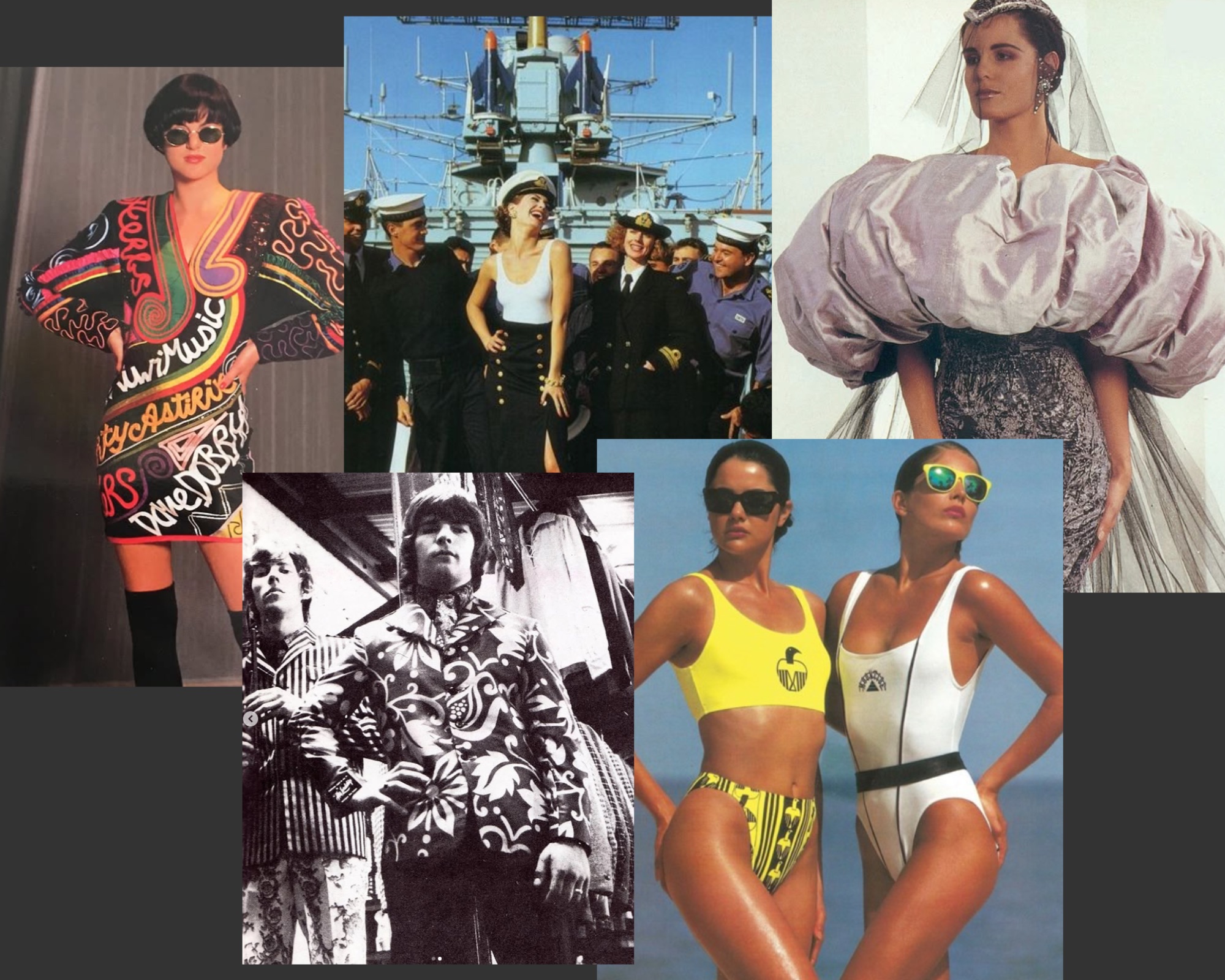
As the New Zealand Fashion Museum faces a future without Creative New Zealand funding, we must ask ourselves what value we place on our own cultural history – and what we stand to lose if we stop investing in it.
By FashioNZ Publisher, Murray Bevan.
For much of the past century, museums have been regarded as pillars of our communities. They were places of discovery, education and civic pride; institutions entrusted with preserving the achievements, eccentricities and creative endeavours of the generations that came before us. Somewhere along the way, our relationship with history appears to have changed.
For a generation raised on TikTok, Instagram and the relentless pursuit of what’s next, there is arguably less emphasis on understanding what came before. Gen Z has an enormous appetite for vintage fashion and archival aesthetics, yet there is a curious disconnect between the celebration of these things and the support of the institutions responsible for documenting them. The New Zealand Fashion Museum (NZFM) is a particularly pertinent example.
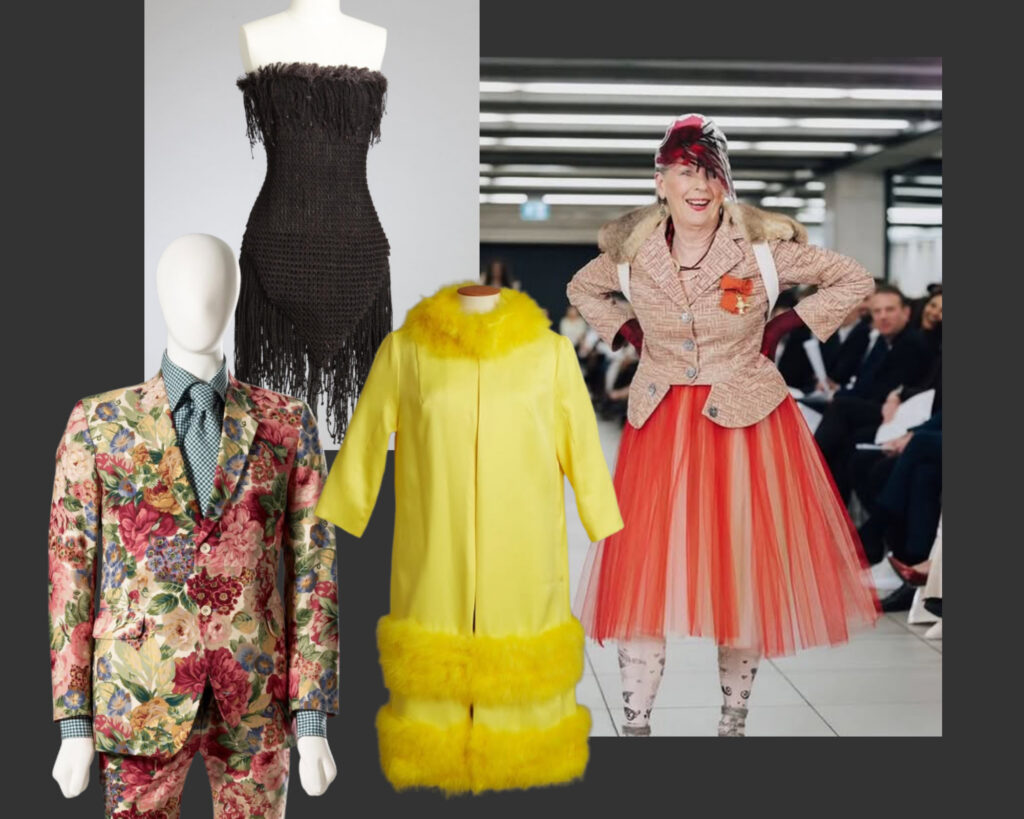
Established in 2010 by former fashion designer Doris de Pont, the museum has documented more than 2,100 garments, published hundreds of fashion stories and delivered exhibitions and activations reaching more than 800,000 people. Its website alone attracted over 100,000 visitors in the past year. Yet, heading into 2027, its future hangs in the balance.
With fashion design excluded from Creative New Zealand’s funding remit, the NZFM has been forced to launch a $25,000 Givealittle appeal alongside a designer auction featuring contributions from Karen Walker, Kate Sylvester, Zambesi, Trelise Cooper and others. That an institution of national cultural significance should find itself crowdfunding the equivalent of a modest annual operating budget ought to concern us all.
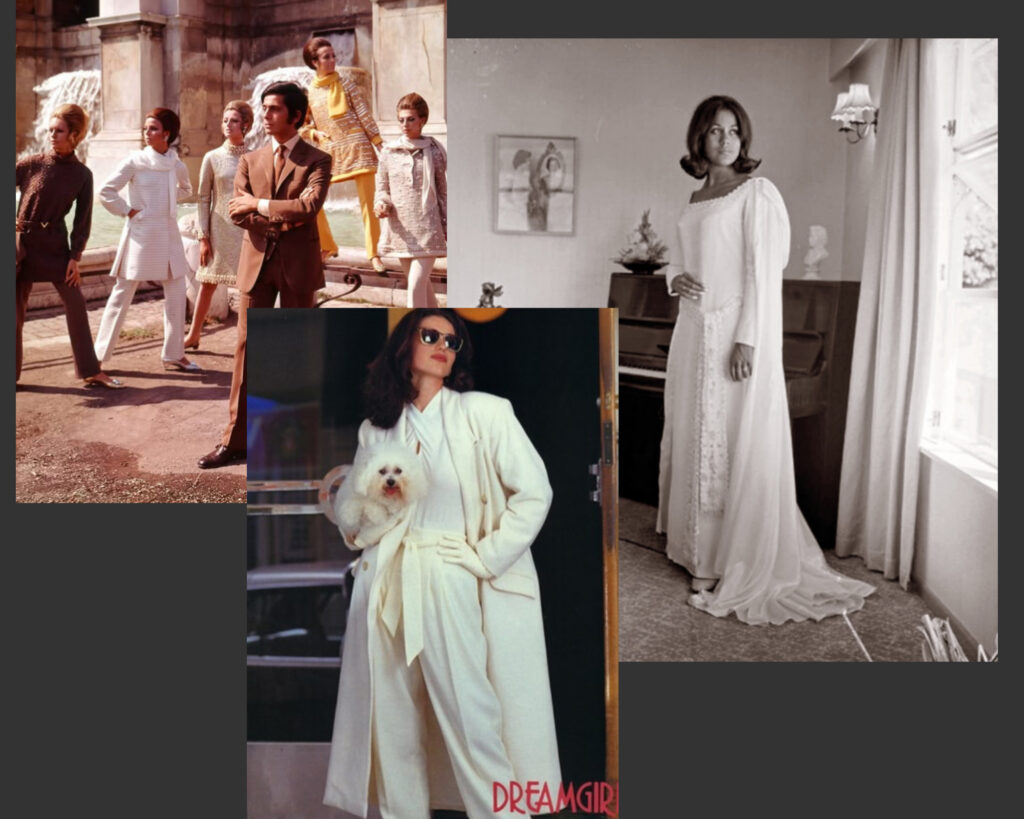
Consider what New Zealand fashion would be without the legacy of Thornton Hall, El Jay, Marilyn Sainty, NOM*d, Zambesi and the international ambitions of Karen Walker. These designers helped establish a distinctly New Zealand fashion identity, challenging the notion that meaningful fashion could only originate in Paris, London, Milan or New York.
Their stories are not simply about clothes. They speak to our social history, our manufacturing heritage, our entrepreneurial spirit and our evolving national identity. They deserve the same cultural consideration afforded to our musicians, filmmakers, artists and architects.
Internationally, the picture is equally revealing. England’s Fashion Museum Bath closed its doors in 2022, leaving much of its collection of 100,000 objects in storage. Encouragingly, in August 2026, it secured £7.2 million in National Lottery Heritage funding towards establishing a new home.
Meanwhile, New York’s Metropolitan Museum of Art unveiled its expansive new Condé M. Nast Galleries this year, backed by significant investment from fashion industry heavyweights. Across the Tasman, however, the Australian Design Centre announced in late 2025 that inadequate government funding threatened its very existence.
The difference lies in the willingness of governments, corporations and private philanthropists to recognise creativity as something worth investing in.
We need only look at the print magazine industry to understand how quickly a cultural institution can unravel. Between 2020 and 2022, combined print readership across New Zealand’s ten leading magazines fell from 1.76 million to 1.37 million – a decline of 22%.
As advertising dollars migrated to social media, decades of editorial expertise, fashion photography and local storytelling became increasingly difficult to sustain.
The responsibility cannot sit exclusively with government, nor should it rest on the shoulders of a handful of passionate volunteers. Our major fashion retailers, corporate sponsors, established designers and financially successful industry alumni all have a role to play, as do the emerging generation of designers who will inevitably draw inspiration from this very archive.
New Zealand has always punched above its weight creatively, but we cannot continue celebrating that success while neglecting the infrastructure that preserves it.
History has repeatedly taught us a remarkably simple lesson: if we don’t support the things we love, they die.
To support the New Zealand Fashion Museum, visit nzfashionmuseum.org.nz.